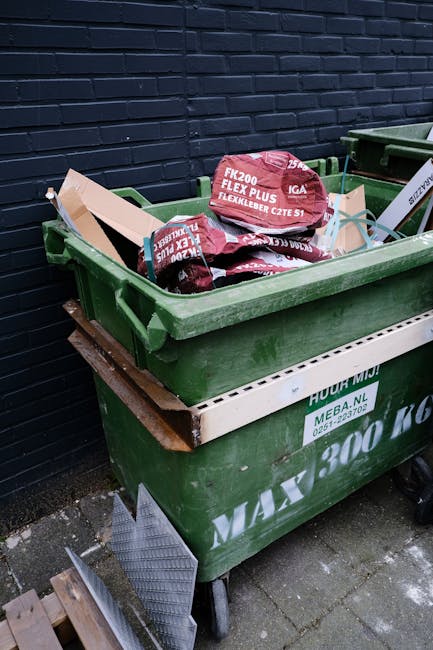
Royal Arsenal waste removal tips for landlords and traders
Waste builds up fast in Royal Arsenal. A rental refresh, a shop refit, a small trade job, a clearance after a tenant move-out, and suddenly you have bags, broken fittings, packaging, timber offcuts and "where on earth did this come from?" moments. The smart move is not to treat waste as an afterthought. Good Royal Arsenal waste removal tips for landlords and traders can save time, reduce complaints, and keep a site looking professional from start to finish.
This guide is written for people who need practical answers, not fluffy theory. You will find straightforward advice on choosing the right disposal method, avoiding common mistakes, keeping on top of compliance, and deciding when a skip, grab hire or commercial skip hire makes the most sense. Let's keep it simple, useful, and realistic.
Table of Contents
- Why Royal Arsenal waste removal tips for landlords and traders Matters
- How Royal Arsenal waste removal tips for landlords and traders Works
- Key Benefits and Practical Advantages
- Who This Is For and When It Makes Sense
- Step-by-Step Guidance
- Expert Tips for Better Results
- Common Mistakes to Avoid
- Tools, Resources and Recommendations
- Law, Compliance, Standards, or Best Practice
- Options, Methods, or Comparison Table
- Case Study or Real-World Example
- Practical Checklist
- Conclusion
- Frequently Asked Questions
Why Royal Arsenal waste removal tips for landlords and traders Matters
Royal Arsenal is busy, mixed-use, and often tight on space. That matters. Landlords may be dealing with tenant turnover, communal areas, refurbishment work, or garden clearances. Traders may be handling packaging, display waste, shopfit debris, or construction offcuts. In both cases, waste management is about more than getting rid of rubbish. It affects appearance, safety, access, neighbour relations and, frankly, how professional your business looks.
A pile of waste outside a unit can create the wrong impression in a matter of hours. It can also block access for deliveries, frustrate residents, and attract complaints. If you are managing several properties or a trading premises, the cost of delay can be bigger than the disposal bill itself. A half-day spent sorting waste is a half-day not spent on income-producing work. That is the blunt truth.
Good planning also helps you separate ordinary mixed waste from specialist streams such as plasterboard, metal, electrical items or confidential paperwork. A landlord clearing a flat after a tenancy does not want to discover, too late, that some items need special handling. And a trader finishing a fit-out usually wants everything gone quickly, before the new stock arrives or the next crew turns up.
Expert summary: the best waste plan is the one that matches the job size, site access, waste type and urgency. Not the cheapest-looking option on paper, but the one that keeps the job moving smoothly.
If you want a broader service overview before choosing a disposal method, it can help to review skip hire and the practical guidance on what can go in a skip. Those pages are useful for checking what is suitable before you book.
How Royal Arsenal waste removal tips for landlords and traders Works
Waste removal works best when you think in stages. First, identify the waste. Second, estimate volume. Third, choose the right collection method. Fourth, arrange timing so the waste leaves the site without becoming an obstacle. Simple in theory, a bit fiddly in practice.
For landlords, the process often starts with a property inspection or end-of-tenancy clear-out. You may have bags of general rubbish, old furniture, damaged appliances, carpets, blinds, cardboard and bulky items that need lifting. Traders often deal with a more operational mix: pallet wrap, packaging, timber, fixtures, metal, broken shelving, old stock or office waste. The better you sort this at source, the easier the disposal process becomes.
Most people in Royal Arsenal will choose between a few common options:
- Skip hire for steady, larger-volume waste.
- Grab hire for bulky waste or where loading space is awkward.
- Wait and load for locations where a skip cannot sit safely for long.
- Man and van for smaller, flexible clearances.
- Rubbish removal for quick collections where hands-off convenience matters more than sorting it yourself.
If access is tight, time is short, or the waste needs to go the same day, a faster service can make life much easier. In those cases, same day skip hire or wait and load skip hire may be better than leaving material on site overnight. That small detail can prevent a lot of hassle.
Key Benefits and Practical Advantages
The obvious benefit is removal. But the real value goes deeper than that. For landlords and traders, decent waste management can improve workflow, reduce risk and protect your reputation.
- Cleaner sites: A tidy property feels easier to work in and easier to hand over.
- Fewer complaints: Neighbours and tenants are less likely to object if waste is controlled and collected promptly.
- Safer working conditions: Loose debris, glass, broken fixtures and overfilled bags can cause avoidable accidents.
- Better access: Fire escapes, loading bays, communal walkways and entrances stay clearer.
- More predictable schedules: When waste is planned properly, trades can complete jobs without that awkward last-minute scramble.
- Improved recycling potential: Sorting waste properly often means more can be recovered rather than treated as mixed rubbish.
There is also a commercial benefit. Traders know this instinctively. A retail refit that finishes on time is one thing; one that drags because waste is sitting around is another. Landlords feel the same when a void period stretches because clearance and repair work keep getting delayed. Waste removal is part of keeping the job moving, not just a tidy-up task at the end.
For many mixed commercial jobs, the most useful support comes from a service that understands the balance between access, turnaround and disposal type. Pages like builders skip hire and builders waste removal can be particularly relevant where landlord repairs and trader fit-outs generate construction-style waste.
Who This Is For and When It Makes Sense
This topic is not just for major developers or huge commercial sites. In fact, the people who benefit most are often the ones juggling several smaller jobs at once.
Landlords
Landlords may need waste removal after tenant changeovers, refurbishments, loft clearances, garage clear-outs, or garden tidy-ups. You might be clearing one flat this week and another next month. The challenge is consistency. Every property is different, and waste piles up in different ways.
Traders and shop owners
Traders tend to need reliable, low-fuss removal. Think of shop refits, stockroom clear-outs, office relocations, small building works, or recurring packaging waste. If you are running a business, you probably need a disposal plan that does not interrupt customer flow or staff routines.
Managing agents and property teams
For managing agents, the issue is often scale. You may need a repeatable process across several buildings, with clear documentation and practical scheduling. That means choosing waste services that can be booked without a drama every single time.
When it makes sense
Waste removal makes sense when waste is more than a bin-level problem. If you have bulky items, a large volume, restricted access, mixed materials, or a deadline tied to handover, inspection, trading hours or a tenant move, you are in proper waste-removal territory.
There is a fine line between "I'll just sort this later" and "this is now a problem." Most people can feel that moment. The smell in the corridor, the cardboard corner leaning by the door, the broken wardrobe you can't quite lift on your own. That is usually the cue.
Step-by-Step Guidance
Here is a practical process you can use for most Royal Arsenal landlord and trader clearances. It is simple, but it works.
- Walk the site and identify every waste stream. Separate general rubbish, bulky items, wood, metal, plasterboard, green waste, appliances and anything sensitive or hazardous.
- Estimate the volume honestly. People often under-estimate. A few "small" piles turn into a lot once they are bagged, stacked and lifted.
- Check access first. Can a skip fit? Is there turning space? Will loaders be blocked by parked cars or narrow access?
- Decide whether loading time matters. If you need waste gone fast and space is limited, grab hire services may be the better fit.
- Choose the right collection method. For larger, predictable volumes, a skip is usually the simplest option. For very fast turnarounds, a van or grab option may suit better.
- Set a loading plan. Put heavy items first, flatten what you can, and keep sharp or awkward items visible and contained.
- Keep prohibited items out. Waste carriers do not want hidden surprises, and neither do you.
- Book collection with a clear timing window. If the job is urgent, say so. If access is constrained, explain it before anyone arrives.
- Check the area after uplift. Look for missed debris, broken glass, nails or tiny scraps. They are easy to overlook.
For many landlords, a simple rule helps: clear, sort, load, confirm. Nothing fancy. Just enough structure to stop the job wobbling halfway through.
Expert Tips for Better Results
These are the little things that tend to save the most hassle.
- Book earlier than you think you need to. If you know a tenancy ends on Friday, do not wait until Friday afternoon. You know how that goes.
- Keep mixed waste under control from day one. A single "miscellaneous" pile can quietly become the biggest pile on site.
- Use labelled zones. One area for general waste, one for metal, one for items to retain, one for confidential material. Even masking tape on the floor helps.
- Check whether any item needs specialist handling. Appliances, fridges, mattresses, shredding and potentially hazardous items should not be treated like ordinary rubbish.
- Choose discreet options where needed. For sites where security matters, an enclosed or lockable solution can make a real difference. See enclosed and lockable skip hire if your waste must stay out of sight.
- Think about your neighbours. Early-morning loading, blocked entrances and loose debris all create friction. A little planning saves awkward conversations later.
- Use one point of contact. One person booking, one person confirming access, one person signing off. It keeps things sane.
If you manage regular clearances, a recurring relationship with a reliable provider is usually better than starting from scratch every time. That is especially true for traders who need dependable turnaround and landlords who may face surprise void-property jobs on a wet Tuesday morning. Not glamorous, but very real.
Common Mistakes to Avoid
Some errors are small and some are expensive. A few are both.
- Ordering the wrong size solution. Too small and you pay twice; too large and you waste money.
- Ignoring access restrictions. If the collection vehicle cannot reach the waste, the job slows down or changes entirely.
- Mixing prohibited items into general waste. This can delay collection and create compliance issues.
- Leaving waste out too long. In busy areas, delays tend to snowball.
- Assuming all rubbish is the same. It is not. Wood, metal, soil, appliances and mixed builder's waste each have different handling needs.
- Forgetting about permits or placement rules. If a skip needs to be positioned on public highway land, permissions may be required. Check this early rather than on the day.
- Not planning for final sweep-up. The last 5% of a clearance often makes the biggest visual difference.
One common landlord mistake is focusing on the obvious room and missing the hidden corners: under the stairs, behind the shed, the loft hatch, the outside cupboard. Traders do the same with stockrooms and back-of-house areas. Waste likes corners. It gathers there quietly.
Tools, Resources and Recommendations
You do not need a complicated system. A few practical tools are enough.
- Waste sorting labels or tape: Useful for separating waste streams before collection.
- Basic room-by-room checklist: Ideal for void properties, office clearances and shop refits.
- Heavy-duty sacks and gloves: Helpful for safe pre-sorting.
- Camera phone photos: Useful for quoting, planning and avoiding "I thought there was less than this" conversations.
- Measuring tape or rough volume estimates: Helps match the removal method to the real load.
For deciding what can go where, keep what can go in a skip close to hand. If the load is mainly mixed recyclable material, the page on waste recycling services is also worth reviewing. And if you are dealing with larger clearances, the details on skip sizes and prices can help with budgeting and planning.
Sometimes the right answer is not a skip at all. For a constrained site with quick access, man and van can be more sensible. For heavier rubble or loose material, grab lorry hire may be the smarter option. It depends on the job, and a good provider will tell you that straight.
Law, Compliance, Standards, or Best Practice
Waste disposal in the UK needs a careful approach, especially for landlords and traders who may generate regular or mixed waste. Without getting too legal about it, the key principle is simple: use a lawful, documented, responsible disposal route and do not put prohibited or hazardous material into the wrong stream.
For landlords, there is also a duty of care angle in practice. You want to be able to show that waste has been handled properly, especially where contractors, tenants or managing agents are involved. For traders, poor waste handling can quickly become a reputational issue as well as an operational one.
Best practice usually means:
- keeping waste separated where possible
- making sure specialist items are identified early
- using reputable removal arrangements
- maintaining clear booking notes and handover details
- checking access and collection conditions in advance
If your waste includes items such as chemicals, fridges, sensitive paperwork or electrical equipment, choose a service that is clearly suited to the material. In plain English: do not guess. If something feels awkward, it probably needs checking. A quick call can save a lot of trouble.
It is also sensible to review provider policies on safety, security and recycling. Pages such as health and safety policy, insurance and safety, payment and security and recycling and sustainability can be useful when you are comparing how a service operates behind the scenes.
Options, Methods, or Comparison Table
Here is a simple comparison to help landlords and traders choose the right route for common Royal Arsenal clearances.
| Method | Best for | Strengths | Watch-outs |
|---|---|---|---|
| Skip hire | Planned clear-outs, refurbishment waste, bulk waste | Simple, flexible, good for mixed loads | Needs space; may need a permit depending on placement |
| Grab hire | Bigger bulky loads, rubble, awkward access | Fast removal, less manual loading | Needs vehicle access and clear working space |
| Wait and load | Sites with no safe storage space | Quick, tidy, useful for short stays | Requires the waste to be ready on arrival |
| Man and van | Smaller jobs, bulky items, flexible collection | Convenient and adaptable | May not suit heavy or very large volumes |
| Rubbish removal | One-off clearances and urgent tidy-ups | Hands-off and straightforward | Less control over sorting unless planned carefully |
If you are unsure, the most practical route is often to compare the waste type first, then the access, then the timetable. In that order. Too many people do it backwards. They pick a service first and then try to fit the job around it. Bit of a headache, that.
Case Study or Real-World Example
A typical Royal Arsenal scenario might look like this: a landlord is preparing a two-bedroom flat after a tenancy ends. The property contains a damaged wardrobe, an old mattress, several bags of mixed rubbish, cardboard from repairs, and a few broken items left in the hallway storage area. The agent wants it cleared quickly so decorating can start the next morning.
The first step is to sort what is staying, what is being disposed of, and what needs specialist handling. The mattress and bulky furniture need separate thought. Cardboard can usually be bundled with other suitable waste, but sharp or heavy items should be loaded carefully. Access is checked because the building entrance is shared, and nobody wants a vehicle blocking a busy walkway at 8am.
In this kind of case, a flexible collection method tends to work best. If the waste is ready and access is short-term, a quick uplift or rubbish removal may be enough. If the clearance turns out larger than expected, a bigger solution can be booked instead. The important part is not pretending the job is smaller than it really is. That is how delays happen.
For traders, the equivalent could be a small shop refit with packaging, broken shelving, old display fittings and some construction debris. The site may need to trade again the next day, so speed matters. In that case, the waste strategy becomes part of the reopening plan, not a side task. That is where construction waste disposal and builders waste removal may be the better fit.
Practical Checklist
Use this quick checklist before booking a collection or arranging on-site disposal.
- Have you identified all waste types?
- Have you separated anything fragile, sharp, confidential or hazardous?
- Do you know how much waste there is, roughly?
- Is access clear for loading or vehicle arrival?
- Do you need a permit or special placement arrangement?
- Are there neighbours, tenants or customers to consider?
- Have you chosen the right disposal method for the job size?
- Is the waste ready at the agreed time?
- Do you have a final sweep-up plan after collection?
- Have you checked the provider's terms and safety guidance?
If you can tick most of those off, you are usually in good shape. If several are no, pause and reset the plan. A small delay now is better than an expensive mess later.
Conclusion
The best Royal Arsenal waste removal tips for landlords and traders are the practical ones: sort early, choose the right method, think about access, and keep compliance in mind from the start. Do that, and waste stops being a bottleneck. It becomes just another part of a well-run job.
Whether you are clearing a single flat, managing a retail reset, or dealing with a heavier commercial job, the goal is the same: keep things moving, keep the site safe, and keep your standards high. Nothing flashy. Just solid, reliable progress.
When you are ready to compare options, check the practical details on pricing and quotes, review the booking steps at book online, or learn more about the team on about us.
Get a free quote today and see how much you can save.
Waste jobs are never glamorous, really, but a well-handled one gives you that quiet feeling that the site is back under control. And honestly, that matters.
Frequently Asked Questions
What is the best waste removal option for a landlord in Royal Arsenal?
It depends on volume, access and timing. For larger, mixed clear-outs, skip hire is often the easiest choice. For tight access or fast jobs, grab hire, man and van, or wait and load may work better.
How do traders usually manage regular waste without disrupting business?
Most traders use a repeatable system: sort waste daily, keep a clear storage point, and book collections around delivery or trading hours. A reliable commercial arrangement is usually better than ad hoc disposal.
Do I need to sort waste before collection?
Yes, if you can. Sorting waste by type makes collection easier, often more efficient, and in some cases more suitable for recycling. It also reduces the risk of prohibited items being mixed in by mistake.
Can I put broken furniture and mixed rubbish together?
Often yes, if the service allows mixed waste and the contents are suitable. But bulky items, mattresses, appliances and hazardous materials may need separate handling, so check before loading.
What happens if I need waste removed urgently?
Same-day or fast-turnaround options may be available depending on the load and location. If the site is busy or access is limited, say so early. That saves everyone a lot of back-and-forth.
Is grab hire better than a skip for trader waste?
Sometimes. Grab hire is useful for bulky loads, rubble and sites with limited loading space. A skip can be better when the waste will build up over a day or two and space is available on site.
What should landlords do about waste left by tenants?
First, separate anything that belongs to the tenant from items that are genuinely abandoned or unsafe. Then clear the waste promptly so the property can be cleaned, repaired and re-let without delay.
Can confidential paperwork be disposed of with general waste?
No, not if it contains sensitive information. It is better to use a confidential shredding route so personal or business data is handled properly.
Do I need a permit for a skip in Royal Arsenal?
Possibly, if the skip needs to sit on public land or highway space. The exact requirement depends on placement, so it is worth checking in advance rather than assuming.
How can I keep waste removal costs under control?
Estimate the volume properly, separate waste where possible, avoid over-ordering, and choose the method that matches the job. A short planning call can prevent expensive mistakes, which is usually the cheapest fix.
What items should never be thrown in with ordinary waste?
Hazardous materials, certain electrical items, chemicals, and some specialist appliances should not be mixed into general waste. If you are unsure about an item, treat it as a separate decision rather than a guess.
Why does waste planning matter so much for mixed-use local areas?
Because timing, access and appearance matter more in busy places. A tidy, well-managed clearance reduces disruption, helps avoid complaints and keeps the whole job looking organised from the outside.