Woolwich SE18 rubbish removal guide for Powis Street homes
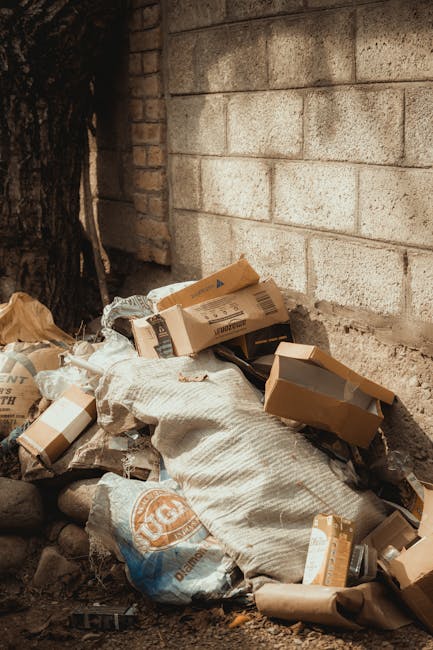
If you live near Powis Street, you already know that rubbish removal can become a bit of a juggling act. Tight frontages, busy pavements, shared access, and the usual London problem of "where on earth do I put this pile until collection day?" all make the job trickier than it looks. This Woolwich SE18 rubbish removal guide for Powis Street homes breaks everything down in plain English, so you can clear space without creating hassle, delays, or unnecessary cost.
Whether you are clearing a flat after a move, dealing with builders' waste, getting rid of an old sofa, or sorting out a garden or loft that has quietly become a storage unit, the right approach matters. The wrong one can mean blocked access, missed collections, permit headaches, or waste that should never have been mixed together in the first place. Let's make it simpler.
Below, you will find practical guidance on how rubbish removal works, when to choose a skip or a man-and-van style collection, what to avoid, and how to stay on the right side of local and national waste rules. A tidy home is one thing. A tidy process is better.
- Why rubbish removal matters on Powis Street
- How the process works
- Key benefits and practical advantages
- Who this is for and when it makes sense
- Step-by-step guidance
- Expert tips for better results
- Common mistakes to avoid
- Tools, resources and recommendations
- Law, compliance, standards and best practice
- Options, methods and comparison table
- Case study or real-world example
- Practical checklist
- Conclusion
- Frequently asked questions
Why Woolwich SE18 rubbish removal guide for Powis Street homes Matters
Powis Street homes often sit within a busy, high-footfall part of Woolwich. That sounds obvious, but it changes the rubbish removal equation quite a lot. What works on a quiet suburban road can feel awkward here. A bulky item left in the wrong place can narrow the pavement, attract complaints, or simply become a nuisance before collection time even arrives.
There is also the practical side. Many homes and flats in SE18 have limited storage, awkward stairwells, or shared entrances. If you are planning a clear-out, the waste can build up fast. One bag becomes three. A flat-pack wardrobe becomes broken timber, cardboard, screws, and packaging. Truth be told, rubbish has a habit of multiplying when you are not looking.
That is why it helps to think about removal method before the mess takes over. The best choice is not always the biggest skip or the cheapest quote. It is the option that fits your access, waste type, time frame, and the space you have available outside. For many homeowners, that means comparing domestic skip hire with a collection-based service such as rubbish removal, then deciding which one suits the property and the job.
Powis Street also benefits from a more careful, neighbour-friendly approach. If a skip sits too long, blocks sightlines, or is overfilled, it can create avoidable friction. If waste is removed quickly and properly sorted, you get a cleaner result and far less stress. Simple. But not always easy.
Expert summary: For Powis Street homes, the best rubbish removal plan is usually the one that matches access, timing, and waste type first, price second. That order tends to save people headaches.
How Woolwich SE18 rubbish removal guide for Powis Street homes Works
At a basic level, rubbish removal means getting unwanted items and waste collected, loaded, transported, and disposed of responsibly. The detail depends on the method you choose. In Woolwich SE18, the main options usually fall into a few practical categories: skip hire, wait-and-load, man-and-van collections, grab hire, and specialist item removal.
If you want the waste on-site for a day or two while you sort through it, a skip may be the simplest route. If you have limited frontage or no suitable place to leave a container, a quick collection can make more sense. If materials are heavy, loose, or awkward to move by hand, grab hire can be a better fit. And if you only have a sofa, fridge, mattress, or a few mixed items, a dedicated removal service is often the least faff.
Here is the key point: the waste provider should match the service to the load, not the other way around. That sounds small, but it matters. A good operator will ask what you are throwing away, where it will be collected from, whether there is access for a vehicle, and whether anything needs separate handling.
If you are unsure what can go in a skip, it is worth checking what can go in a skip before you book. That avoids awkward surprises later, especially with items like plasterboard, appliances, mattresses, or anything classed as hazardous.
For faster turnaround, some homes find that wait and load skip hire works well because the vehicle arrives, you load the waste quickly, and it leaves again. Not the right answer for every job, of course, but very handy when space is tight and the street is busy.
Key Benefits and Practical Advantages
The main benefit of using a proper rubbish removal service is control. You decide what goes, when it goes, and how much help you need. That can save a surprising amount of time, especially if you are managing a home renovation, a move, or a family clear-out.
- Less clutter, faster. Clear space before it becomes a tripping hazard or a general stress point.
- Better access management. Useful on busy streets where space is precious.
- Cleaner segregation. Different waste streams can be handled more responsibly.
- Less lifting for you. Helpful if items are bulky or awkward.
- Fewer compliance worries. Especially if you are unsure about restricted materials.
- More flexibility. You can choose the approach that fits the job instead of forcing the job to fit the service.
There is also a calmer, less obvious benefit: it makes decisions easier. Once the waste plan is sorted, the rest of the project tends to move. You know where the old carpet is going, what happens to the broken wardrobe, and how the builder's rubble will be handled. That sense of momentum is worth a lot.
If your project includes heavier building materials, it may help to look at builders waste removal or builders skip hire rather than treating it like ordinary household rubbish. Likewise, if you are dealing with mixed construction debris, construction waste disposal is usually the more sensible route.
And if the job is really just "too much stuff in too little time," a collection service can be a blessing. No heroics. No endless trailer trips. Just out with the old, in with the clear floorboards.
Who This Is For and When It Makes Sense
This guide is for homeowners, landlords, tenants, and small property managers in and around Powis Street who need a practical way to clear waste without overcomplicating it. In particular, it is useful if you are:
- clearing out a flat before or after a move
- replacing furniture or white goods
- doing a bathroom, kitchen, or general renovation
- clearing a loft, garage, or storage cupboard
- sorting garden waste after a tidy-up
- removing builders' rubble from a small project
- dealing with bulky items from a rental property
- trying to reduce clutter before selling or letting a home
It also makes sense if your property has tricky access. Narrow front gardens, shared hallways, limited kerb space, or no safe place to leave a skip can all shift the decision toward a faster collection method. In those cases, man and van style collections or grab lorry hire may be more suitable.
On the other hand, if you are planning several days of clearing and you know the waste will build up gradually, a skip may still be the better call. The point is not to follow a trend. The point is to choose what actually works on your street, with your waste, on your timeline. Sounds straightforward, but that bit gets missed a lot.
Step-by-Step Guidance
Here is a practical way to approach rubbish removal in Powis Street homes without missing the obvious bits.
- Identify the waste type. Separate household rubbish, furniture, garden waste, builders' waste, appliances, and anything potentially hazardous.
- Estimate the volume. A few bags is one thing; a room full of furniture is another. Be realistic. Most people underestimate slightly.
- Check access. Measure gates, stairwells, hallways, and parking space if needed. A service can only work with the access it has.
- Decide between skip hire and collection. If waste can sit outside safely, a skip may suit. If not, consider a fast collection or wait-and-load option.
- Look at permit needs. If a skip has to go on a public road, you may need a permit. More on that below.
- Book the right service. Match the job with the right vehicle or container size.
- Load safely and sensibly. Keep heavier items lower, avoid overfilling, and separate materials where advised.
- Confirm disposal expectations. Ask how waste is sorted or recycled, especially if environmental handling matters to you.
If you are choosing skip hire, the page on skip sizes and prices is a useful place to compare capacities before you commit. A 4-yard skip, for example, can be useful for a smaller clear-out, while larger renovation jobs often need more room. The biggest skip is not automatically the smartest one. It can be overkill.
If your waste needs to disappear quickly, same day skip hire can be helpful in urgent situations. That said, urgent does not mean rushed. A five-minute check on access and waste type can save a very long phone call later. Ask me how I know.
Expert Tips for Better Results
A few small habits make rubbish removal smoother, cheaper, and less stressful.
- Sort before collection day. Do not wait until the vehicle arrives to start splitting out wood, metal, cardboard, and general waste.
- Break down large items. Flat-pack furniture, dismantled shelving, and collapsed boxes use space far more efficiently.
- Keep restricted items separate. Appliances, paint, chemicals, and electrical waste often need special handling.
- Plan for weather. Rain can turn cardboard into a miserable, soggy mess. A small cover or tarp helps if waste is waiting outside briefly.
- Think about neighbours. Try not to block entrances, bays, or bins. A little consideration goes a long way in a place like Powis Street.
- Ask about recycling. A responsible operator should be able to explain how waste is sorted or diverted from landfill where possible.
If you have mixed waste from a renovation, it can be worth reading the guidance on recycling and sustainability so you understand how different materials are usually handled. That does not make the job glamorous, but it does make it cleaner in every sense.
One more thing: if you have a tight schedule, photograph the waste before collection. It gives you a clear record of what needs removing and helps prevent misunderstandings. Not fancy. Just useful.
Common Mistakes to Avoid
Most rubbish removal problems start with assumptions. "We can probably fit it all in." "That sofa will be fine downstairs." "We'll deal with the permit later." You get the idea.
- Underestimating volume. The pile always looks smaller until you start moving it.
- Mixing prohibited items with general waste. This can delay collection or create extra charges.
- Ignoring access restrictions. If the vehicle cannot reach the property, the plan needs changing.
- Choosing the wrong service for the waste type. Heavy rubble, for example, is not the same as household clutter.
- Forgetting about permits. This matters if a skip will sit on the highway.
- Overfilling a container. Beyond the fill line is not "a bit more room"; it is usually a problem.
A quieter mistake is leaving everything until the last minute. That tends to create a messy kind of urgency. Bags in the hallway, a bed frame in the front room, someone standing in the kitchen saying, "We'll just sort it tomorrow." Tomorrow is often more stressful than today.
If your load includes items like a fridge, washing machine, or broken oven, check fridge and appliance removal instead of assuming they can just go in with standard waste. The same applies to large soft furnishings. A dedicated mattress and sofa disposal option is often the better fit.
Tools, Resources and Recommendations
You do not need much in the way of equipment, but a few basic items make the process less chaotic.
- heavy-duty gloves
- sturdy boxes or rubble sacks
- marker pen for labelling
- tape or cable ties for securing loose items
- trolley or sack barrow for heavy loads
- dust sheets for stairways and corridors
- basic measuring tape for access checks
For anything beyond a small household clear-out, it is worth comparing service types rather than booking the first option you see. For example, house clearance may suit full property voids, while garage and loft clearance is better for awkward storage spaces full of mixed clutter. If you are dealing with office stock, paper waste, or old desks, office clearance may be the sensible route instead.
For more specialised needs, there are a few other useful pages worth knowing about. A builder doing a side extension may need construction waste clearance. A demolition project may require demolition waste removal. A landlord clearing an entire end-of-tenancy property may need something broader than a single collection, and that is where the right service fit matters most.
If your job is time-sensitive, take a look at book online and pricing and quotes to get a sense of the booking process and how the provider structures estimates. It is a small admin step, but it can save a lot of back-and-forth.
Law, Compliance, Standards, or Best Practice
Waste removal is not just a convenience issue. In the UK, waste must be handled responsibly, and homeowners still have a duty to be careful about who collects it and where it ends up. You do not need to memorise regulations, but you should follow a few sensible rules.
First, do not let waste be taken away by someone who cannot explain how it will be handled. If a collection feels vague, that is a warning sign. Good waste providers should be able to describe their process in plain language, including sorting, transport, and disposal or recycling routes.
Second, separate hazardous waste from standard household rubbish. Items such as paint, certain chemicals, solvents, gas cylinders, or contaminated materials should never be mixed casually into a general load. If you are unsure, check before booking. The safer option is usually the right one.
Third, be careful with skips placed on public roads. Depending on location and placement, you may need a permit. It is better to check this early than discover it after the container is already delivered. For a fuller overview, see skip hire permits and skip permits. Those pages are especially relevant for homes without private drive space.
Best practice also includes keeping the load level, not blocking pedestrians, and making sure access remains safe. If you are working on a property with shared entrances, it is courteous to plan around neighbours and building managers. A good job should feel orderly, not disruptive.
For businesses, landlords, and contractors, the standards are even more important. If you are handling confidential documents, for example, confidential shredding may be the appropriate route. For commercial premises, commercial skip hire can support ongoing waste needs without turning the site into a mess.
Options, Methods, or Comparison Table
Different rubbish removal methods suit different kinds of Powis Street homes. Here is a straightforward comparison.
| Method | Best for | Pros | Watch outs |
|---|---|---|---|
| Domestic skip hire | Households with a clear place to store waste temporarily | Easy for ongoing clear-outs, flexible, good for mixed waste | May need a permit; space required |
| Wait and load | Busy streets or homes with no room for a skip | Fast, minimal street occupation, no long-term container on site | You need to be ready to load promptly |
| Man and van | Smaller collections, bulky items, mixed household waste | Handy, quick, low fuss for one-off jobs | Less suitable for very heavy or very large volumes |
| Grab hire | Heavy, loose, bulky waste or larger clearances | Efficient for bigger loads, good reach, less manual handling | Requires workable access and suitable waste placement |
| Specialist item removal | Appliances, mattresses, sofas, confidential or hazardous items | Safer handling and better compliance | Not every item is accepted under standard service terms |
There is no universal winner here. A small terrace flat with no frontage will probably lean toward wait-and-load or man-and-van. A home renovation with steady waste output may suit a skip better. A garden project with soil and rubble can benefit from a different approach again, perhaps with garden waste removal or even muck away services if the material is heavy and loose.
The best method is usually the one that reduces handling, fits the access, and keeps the site safe. Everything else follows from there.
Case Study or Real-World Example
Picture a typical Powis Street home: a first-floor flat with limited storage, a narrow stairwell, and a small amount of space out front. The owner has just finished a mini kitchen refresh and now has old cabinets, broken shelves, packaging, and a few heavy bags of mixed waste stacked in the hallway. Nothing outrageous. Just enough to become annoying.
At first glance, a skip seems attractive. But where would it sit? Is there enough private space? Would it need a permit on the street? Could it block access for neighbours? In a case like this, a wait-and-load or man-and-van collection can be a better fit because the waste is removed quickly without leaving a container sitting around for days.
Now change the scenario slightly. Same flat, but this time the resident is doing a full declutter before moving out. There are boxes in the bedroom, old chairs in the living room, broken blinds, a mattress, and a pile of recycling. In that situation, a domestic skip or mixed collection might be more efficient because there is more volume and the work will take longer.
That is the real lesson: the "best" rubbish removal method depends on the shape of the job, not just the size of the pile. I have seen people book the wrong option because they were focused on one item, then realise the rest of the clutter was the real issue. Happens all the time, honestly.
Practical Checklist
Use this checklist before you book rubbish removal for a Powis Street home.
- Identify all waste types clearly.
- Separate hazardous or restricted items.
- Estimate the amount of waste honestly.
- Measure access routes, gates, and doors.
- Decide whether the waste can sit on-site or must go quickly.
- Check whether a permit may be needed for a street skip.
- Choose between skip hire, wait-and-load, man-and-van, or grab hire.
- Ask how the waste will be sorted or recycled.
- Confirm what is included in the price.
- Plan around neighbours, parking, and building access.
- Have bags, boxes, and labels ready before collection day.
- Keep heavy items safe to lift and move.
If you work through that list first, the rest becomes much easier. A bit of planning now saves a lot of shuffling later, and nobody needs another half-finished pile in the hallway.
Get a free quote today and see how much you can save.
Conclusion
Rubbish removal in Powis Street homes is really about making smart choices in a busy local setting. Once you factor in access, timing, waste type, and street space, the right solution usually becomes clear. For some homes, that means a small skip. For others, it means a quick collection, a specialist service, or a permit-aware plan that keeps everything moving safely.
If you remember only one thing from this guide, let it be this: choose the method that fits the property first. That is the difference between a smooth clear-out and a frustrating one. And if you are still not sure, that is perfectly normal. Most people are not doing waste management every week, after all.
A thoughtful rubbish removal plan can make a home feel lighter almost immediately. More room. Less noise. Fewer loose ends. Sometimes that's all you need to take the next step with a bit more confidence.
Frequently Asked Questions
What is the best rubbish removal option for a Powis Street home?
It depends on access, waste type, and volume. For limited space, a wait-and-load or man-and-van collection often works well. For larger ongoing clear-outs, domestic skip hire may be better.
Do I need a permit for a skip in Woolwich SE18?
You may need one if the skip goes on a public road rather than private property. It is best to check this before booking so there are no delays.
Can I put mixed household waste in a skip?
Usually yes, but not everything is allowed. Hazardous items, some appliances, and certain restricted materials may need separate handling. Check before loading.
Is wait and load better than skip hire on Powis Street?
Sometimes. If parking and frontage are tight, wait and load can be a very practical option because the vehicle does not stay on site for long.
How do I know what skip size I need?
Start by estimating the volume and type of waste. Smaller domestic clear-outs may suit a modest skip, while renovation jobs often need something larger. Comparing sizes before booking helps a lot.
Can you remove sofas, mattresses, and fridges separately?
Yes, specialist item removal is often the safest route for bulky household items. It is especially useful for mattresses, sofas, and appliances.
What happens to the rubbish after collection?
Responsible providers sort and process waste so recyclable material can be separated where possible. The exact handling depends on the waste type and service used.
Is same-day rubbish removal available?
In some cases, yes. Same-day options can be helpful if the job is urgent or access is only available for a short window.
What should I do before collection day?
Sort the waste, keep restricted items separate, make sure access is clear, and have bags or boxes ready. A little prep makes a big difference.
Can builders' waste go with general household rubbish?
It can sometimes be collected in the same overall project, but it should be planned properly. Builders' rubble, plasterboard, timber, and similar materials often benefit from a dedicated service.
How do I avoid extra charges?
Be accurate about the amount and type of waste, do not overfill containers, and ask what is included in the quote. Clear information at the start usually prevents awkward surprises.
What if I only have a few bulky items?
That is often where man-and-van or specialist removal works best. It can be quicker and more cost-effective than booking a larger container than you need.
For more about the company behind these services, you can also visit about us, review insurance and safety, or explore waste recycling services if sustainability matters to your project.